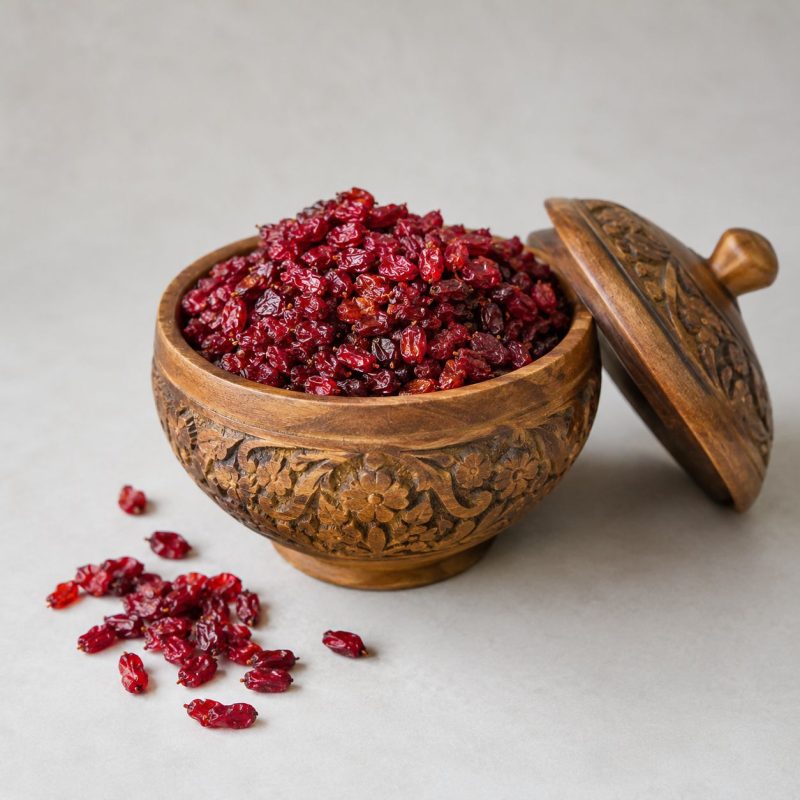



7 Proven Ways to Find Reliable Dried Fruit Suppliers for Wholesale Import

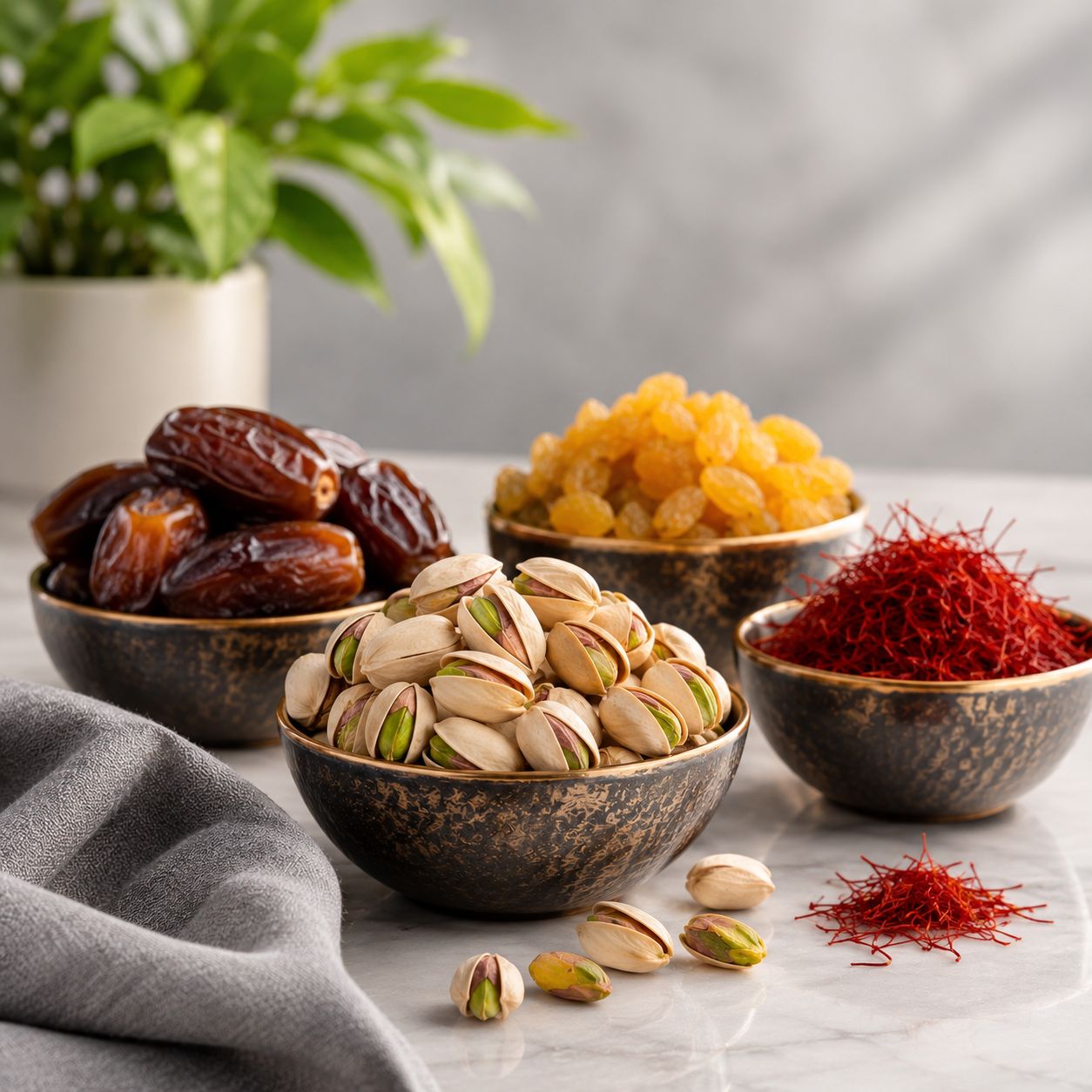
7 Proven Ways to Find Reliable Dried Fruit Suppliers for Wholesale Import
Finding reliable dried fruit suppliers is one of the most important steps for importers, wholesalers, distributors, and food manufacturers. A competitive price may attract your attention, but consistent quality, food safety, accurate documentation, and dependable delivery determine whether a supplier can support a successful long-term business relationship.
The international dried fruit market includes many products, such as raisins, dried figs, dates, apricots, barberries, prunes, and dried berries. However, not every supplier has the production capacity, export experience, or quality-control procedures required for international wholesale orders.
This guide explains seven practical ways to identify and evaluate dried fruit suppliers before placing a large order.
Table of Contents
- Define Your Product and Quality Requirements
- Search Through Reliable Trade Channels
- Verify the Supplier’s Business Background
- Check Food Safety Certifications and Export Documents
- Request Samples and Independent Laboratory Tests
- Evaluate Production Capacity and Supply Consistency
- Start with a Controlled Trial Order
- Common Warning Signs When Choosing Suppliers
- Final Checklist for Wholesale Buyers
- Frequently Asked Questions
- Define Your Product and Quality Requirements
Before searching for dried fruit suppliers, clearly define what your business needs. A supplier cannot provide an accurate quotation if the product specifications are incomplete.
For example, a buyer looking for Iranian raisins should specify the variety, color, size, moisture level, packaging, and destination market. The same principle applies to dates, figs, apricots, and other dried fruits.
Your product specification should include:
- Product type: Raisins, dried figs, dates, dried apricots, barberries, or other products.
- Origin: The country and, where relevant, the production region.
- Quality grade: Commercial grade, premium grade, or a buyer-defined specification.
- Moisture content: The acceptable moisture range for the product.
- Appearance: Color, size, uniformity, and acceptable defects.
- Food safety: Applicable limits for pesticide residues, contaminants, microorganisms, and other relevant hazards.
- Packaging: Bulk cartons, food-grade bags, retail packaging, or customized packaging.
- Delivery requirements: Destination port, delivery terms, and estimated shipment quantity.
Clear specifications make supplier comparisons more accurate and reduce the possibility of disagreements after production.
- Search Through Reliable Trade Channels
One of the most effective ways to find dried fruit suppliers is to use multiple sourcing channels rather than depending on a single website or social media platform.
Consider the following options:
International Trade Exhibitions
Food and agricultural exhibitions allow buyers to meet exporters, manufacturers, processors, and packaging companies directly.
You can discuss product specifications, request samples, compare quotations, and understand a company’s actual business activities. Exhibitions also provide opportunities to establish relationships with suppliers from different countries.
B2B Platforms
International B2B platforms can help you discover potential suppliers and compare product offers. However, a company profile or verification badge should not be treated as proof of product quality or export reliability.
Always conduct additional checks before making a payment.
Trade Associations and Export Organizations
Industry associations, chambers of commerce, and official export organizations can help buyers identify companies operating in a particular agricultural sector.
These sources may also provide information about export procedures, market requirements, and industry standards.
Professional Networks
LinkedIn and other professional networks can help you identify export managers, company owners, and international sales departments.
When contacting a supplier, explain your product requirements and expected purchasing volume instead of sending a general message asking only for prices.
- Verify the Supplier’s Business Background
Before negotiating a wholesale contract, verify that the company actually operates in the business it claims.
A professional website and attractive product photographs are not sufficient evidence of a supplier’s capabilities.
Ask for the following information:
- Full registered company name.
- Business registration details, where applicable.
- Physical office or production facility address.
- Official company email and telephone number.
- Names and roles of the people handling your order.
- Previous export markets and relevant experience.
- References from previous business partners, where available.
You should also check whether the company is a manufacturer, processor, exporter, distributor, or trading company.
This distinction matters because different business models involve different levels of control over production, quality, stock, and delivery.
A trading company may still be a reliable supplier, provided that it can demonstrate traceable sourcing, appropriate quality controls, and responsibility for fulfilling the contract.
- Check Food Safety Certifications and Export Documents
Food safety is essential when importing dried fruits. A supplier should understand the regulations applicable to the destination market and be able to provide relevant supporting documents.
Depending on the product, origin, destination, and buyer requirements, useful documents may include:
- Certificate of Analysis (COA).
- Health or sanitary certificate, where required.
- Phytosanitary certificate, where applicable.
- Certificate of Origin.
- Packing List.
- Commercial Invoice.
- Bill of Lading or other transport document.
- Food safety management system certificates.
Some international buyers also request certifications such as HACCP, ISO 22000, BRCGS, or IFS. The specific requirements depend on the buyer, product, and destination market.
Do not assume that every certificate is mandatory for every shipment. Confirm the current import requirements with the relevant authorities and your customs broker.
For example, importers shipping food to the United States may have obligations under the FDA’s Foreign Supplier Verification Programs (FSVP). These requirements include evaluating foreign suppliers and conducting appropriate verification activities.
A useful official reference is the “FDA guidance on Foreign Supplier Verification Programs”
- Request Samples and Independent Laboratory Tests
Never rely entirely on photographs, descriptions, or verbal quality guarantees when purchasing dried fruits in wholesale quantities.
Request a representative sample before confirming a large order. The sample should reflect the actual product that the supplier intends to deliver.
Evaluate the following characteristics:
- Color and natural appearance.
- Taste, aroma, and texture.
- Size and uniformity.
- Moisture content.
- Foreign materials and visible defects.
- Packaging condition.
- Compliance with your product specification.
For products with specific food safety risks, arrange suitable laboratory testing through a qualified and, where appropriate, accredited laboratory.
Depending on the product and destination market, testing may cover:
- Aflatoxins and other relevant mycotoxins.
- Pesticide residues.
- Heavy metals.
- Microbiological parameters.
- Moisture content and other product-specific characteristics.
A Certificate of Analysis should identify the tested product or batch and provide the relevant test results. Check that the sampling and testing information is appropriate for the shipment being purchased.
For high-value orders, consider arranging an independent pre-shipment inspection. This can help verify that the goods match the agreed specifications before dispatch.
- Evaluate Production Capacity and Supply Consistency
A supplier may offer an attractive price but still be unsuitable if it cannot deliver the required quantity on time.
Wholesale buyers should evaluate both current availability and the supplier’s ability to maintain consistent supply.
Ask these questions:
- How many tons of this product can you supply per month?
- Is the product available throughout the year or only during a specific season?
- Do you purchase directly from farms, factories, or other suppliers?
- Can you maintain the same quality specifications across multiple shipments?
- Can you provide customized packaging?
- How much time is required for preparation and dispatch?
- What happens if the agreed quality or delivery schedule cannot be met?
It is also important to understand the supplier’s storage and handling conditions. Dried fruits can lose quality if they are exposed to unsuitable temperature, humidity, pests, or poor packaging.
A dependable supplier should be able to explain how products are stored, packed, inspected, and prepared for transportation.
- Start with a Controlled Trial Order
Even after checking a supplier’s background, documents, samples, and production capacity, it is sensible to begin with a manageable order before committing to a large long-term contract.
A trial order allows both parties to evaluate the commercial relationship under real operating conditions.
During the first transaction, monitor:
- Whether the delivered goods match the approved sample.
- Whether the supplier follows the agreed specifications.
- Whether the documents are accurate and complete.
- Whether packaging meets the agreed requirements.
- Whether the shipment is dispatched on schedule.
- Whether communication remains professional throughout the process.
Use a written contract that clearly defines the product, quantity, quality standards, packaging, price, payment terms, delivery conditions, inspection procedures, and responsibilities of both parties.
Payment arrangements should be evaluated according to the transaction’s risk, the parties’ history, and the applicable banking and trade regulations.
Avoid sending large advance payments to an unfamiliar supplier without adequate verification and contractual protection.
Common Warning Signs When Choosing Dried Fruit Suppliers
Some warning signs deserve additional attention before you proceed with a transaction.
Warning sign| Why it matters
Unusually low prices| The offer may not reflect the actual market or product quality.
Refusal to provide samples| You cannot properly evaluate the product before purchasing.
Inconsistent company information| The supplier’s identity or business activities may be unclear.
Missing or unverifiable documents| Product compliance may be difficult to establish.
Pressure for immediate payment| You may not have enough time to complete due diligence.
Unclear product specifications| Disagreements may arise over quality and acceptance.
No clear delivery responsibility| Shipping delays and additional costs may become disputed.
One warning sign does not automatically prove that a supplier is fraudulent. However, several warning signs together should lead you to pause and conduct further checks.
Final Checklist for Wholesale Buyers
Before confirming an order with dried fruit suppliers, review this checklist:
- Product specifications are clearly defined.
- Company identity and contact details have been checked.
- Supplier’s business model and sourcing arrangements are understood.
- Relevant certifications and documents have been reviewed.
- Samples have been evaluated.
- Required laboratory tests have been completed.
- Production capacity has been confirmed.
- Packaging and storage conditions have been discussed.
- Price, payment, and delivery terms are documented.
- A written contract has been agreed upon.
Following these steps can help importers reduce sourcing risks and build stronger relationships with international suppliers.
Frequently Asked Questions
- How can I find reliable dried fruit suppliers for wholesale import?
Start by defining your product specifications, then search through trade exhibitions, B2B platforms, export organizations, and professional networks. Verify the company’s identity, review its documents, request samples, and conduct appropriate product testing before placing a large order.
- Which documents should I request from a dried fruit supplier?
Depending on the product and destination, you may need a Certificate of Analysis, Certificate of Origin, health or sanitary certificate, phytosanitary certificate, commercial invoice, packing list, and transport documents. Always confirm the exact requirements for your destination market.
- Is a food safety certificate enough to prove that a supplier is reliable?
No. A certificate can provide useful evidence of a food safety management system, but it does not automatically guarantee that every shipment meets your specifications. Buyers should also check the certificate’s validity and scope, review product test results, evaluate samples, and verify the actual goods.
- Should I buy directly from a manufacturer or an exporter?
Both options can work. Manufacturers may provide greater visibility into processing and production, while experienced exporters may offer broader product selection, sourcing flexibility, and export coordination. The best choice depends on your order size, product requirements, and the supplier’s capabilities.
- What is the safest way to start working with a new supplier?
Begin with background checks, written specifications, representative samples, and suitable laboratory tests. Agree on clear contractual terms and consider a manageable trial order before increasing the purchasing volume.
Conclusion: Choose Suppliers Based on Reliability, Not Price Alone
Finding the right dried fruit suppliers requires more than comparing quotations. Importers should evaluate product quality, food safety, documentation, production capacity, communication, and delivery performance before entering a long-term business relationship.
A reliable supplier should be able to explain where the product comes from, how it is processed and stored, which quality standards it meets, and how it will be delivered.
For international buyers looking for Iranian dried fruits and agricultural products, HGH Trade can help coordinate sourcing and export arrangements for products such as raisins, dried figs, dates, barberries, and other products, subject to availability and agreed specifications.
To discuss your wholesale requirements, visit “HGHtrade.com” and contact the team with your required product, quantity, packaging, and destination country.