


Iranian Barberries: 5 Powerful Reasons to Buy in Bulk

Iranian Barberries: 5 Powerful Reasons to Buy in Bulk
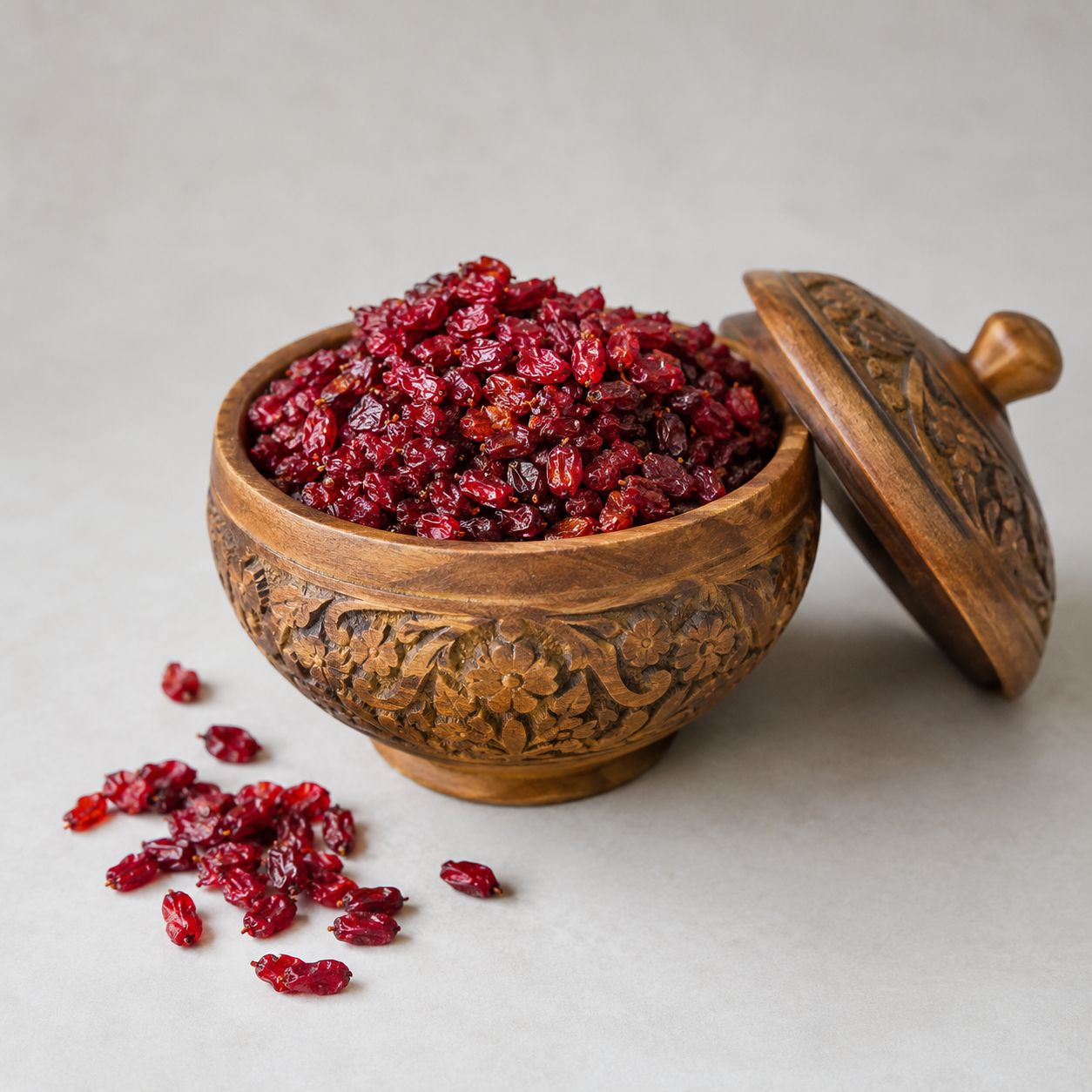
Iranian barberries are distinctive red fruits valued for their tangy flavor, attractive color, and versatility in food preparation. Known as zereshk in Persian, seedless barberries have a long history of cultivation in Iran, particularly in South Khorasan Province. Today, they offer potential opportunities for food importers, wholesalers, ingredient distributors, and manufacturers looking for differentiated fruit ingredients.
For international buyers, the value of barberries goes beyond their traditional use in Persian cuisine. Their flavor and natural color make them interesting ingredients for rice dishes, sauces, jams, beverages, and other food applications. However, successful sourcing requires attention to product specifications, food safety, processing, packaging, and reliable supply.
In this guide, we explore five reasons to consider Iranian barberries, their main commercial applications, and the essential checks buyers should complete before placing a wholesale order.
Table of Contents
- What makes Iranian barberries unique?
- Five reasons to consider Iranian barberries
- Commercial applications of dried barberries
- How to evaluate barberry quality
- Packaging and international shipping
- How to choose a reliable barberry supplier
- Frequently asked questions
- Conclusion
What Makes Iranian Barberries Unique?
Iran is the principal source of cultivated seedless barberries, with South Khorasan recognized as the country’s main production region. Research on Iranian barberry cultivation identifies the areas around Qaen, Birjand, Zirkuh, and Darmian as important production centers. Estimates of the region’s share vary by study and production measure, but the concentration of cultivation makes South Khorasan especially important to the global supply of Iranian seedless barberries. “Research on Iranian barberry production” provides further background on the crop and its cultivation.
The variety commonly known as seedless barberry is valued for its deep red appearance and characteristic sour taste. These qualities make it suitable for culinary use and for certain processed-food applications.
For wholesale buyers, however, the country of origin alone is not enough to determine whether a product meets their requirements. Color, moisture, cleanliness, foreign matter, damaged fruit, processing methods, microbiological quality, and packaging should all be assessed against an agreed specification.
5 Powerful Reasons to Consider Iranian Barberries
- A Distinctive Flavor for Food Products
One of the most recognizable characteristics of Iranian barberries is their tart, tangy flavor. This can add a distinctive taste to recipes and food products that benefit from a sour fruit ingredient.
In Iranian cuisine, barberries are traditionally used in rice dishes, including zereshk polo. They can also be incorporated into sauces, jams, jellies, beverages, and selected confectionery products.
For international food businesses, this flavor profile creates opportunities to develop products that stand apart from conventional dried-fruit ingredients.
Potential applications include:
- Specialty rice and grain mixes.
- Savory sauces and culinary ingredients.
- Fruit preparations and jams.
- Beverage and juice formulations.
- Selected snack and confectionery products.
The most appropriate format depends on the intended application. A food manufacturer may prioritize consistent acidity and particle size, while a retailer may focus more on appearance and presentation.
- An Attractive Natural Red Color
The deep red appearance of barberries is another reason food businesses may consider the fruit. Barberries contain naturally occurring pigments, including anthocyanins, which contribute to their color.
A 2025 review in the International Journal of Food Science & Technology examined barberry anthocyanins and their potential applications in food systems, including research into natural colorants and pigment stability.
For commercial buyers, this research points to areas worth exploring in product development, including fruit preparations, sauces, and selected confectionery applications. It does not mean that whole dried barberries can automatically replace a standardized food colorant in every formulation.
Color stability depends on factors such as processing, temperature, acidity, storage conditions, and the formulation in which the fruit is used.
What buyers should evaluate: color consistency between batches, processing history, storage conditions, and suitability for the intended food application.
- Multiple Opportunities for Food Manufacturing
Iranian barberries can serve several types of buyers, from traditional food distributors to industrial ingredient manufacturers.
Whole dried berries may be suitable for retail packs and culinary use, while other formats may be more appropriate for processing. Depending on supplier capability, buyers can investigate whole fruit, broken fruit, or processed ingredients such as barberry powder and extracts.
Each format has different specifications and commercial requirements. For example, a retail pack may require attractive whole berries and careful sorting, whereas an industrial customer may focus on functional properties, consistency, and processing performance.
Potential business customers include:
- Food importers and wholesalers.
- Specialty food retailers.
- Food-service distributors.
- Sauce, jam, and fruit-preparation manufacturers.
- Ingredient suppliers and selected food processors.
Before making a purchasing decision, buyers should confirm whether the supplier can provide the required format consistently and whether the product is suitable for the intended manufacturing process.
- A Specialized Product with a Recognizable Origin
Iranian seedless barberries have a strong association with the agricultural traditions of South Khorasan. This gives importers a clear product story to communicate to customers interested in distinctive ingredients and regional foods.
For distributors, specialty retailers, and food brands, origin can be useful when developing product descriptions, educational content, and differentiated product ranges.
However, origin should be supported by accurate supplier documentation. Buyers should verify product identity, traceability, country-of-origin information, and any labeling claims required in the destination market.
A credible product presentation should explain what makes the fruit distinctive without making unsupported claims about quality, health benefits, or production methods.
- Potential for Differentiated Wholesale Products
Barberries may help importers expand beyond more familiar dried fruits and offer customers a distinctive ingredient with culinary and food-manufacturing applications.
The best commercial opportunity depends on the buyer’s target market. A distributor serving specialty food stores may need small consumer packs, while a manufacturer may prefer bulk packaging suited to processing.
Buyers can explore different commercial formats, including:
- Bulk dried barberries for wholesale distribution.
- Consumer-sized packs for retail.
- Ingredients for sauces and fruit preparations.
- Formats developed to meet specific industrial requirements.
These are potential product opportunities, not a guarantee of demand or profitability. Importers should validate customer interest, competing products, landed cost, and regulatory requirements before committing to significant volumes.
Commercial Applications of Dried Barberries
Dried barberries can be used in a variety of food applications, but the appropriate specification depends on the product being manufactured.
Application| Important buying considerations
Retail and specialty foods| Appearance, color, cleanliness, pack size, labeling
Rice and savory dishes| Flavor, whole-fruit appearance, consistency
Sauces and jams| Acidity, color, processing suitability
Beverages and fruit preparations| Flavor profile, processing performance, microbiological quality
Food manufacturing| Consistent specifications, traceability, batch documentation
Ingredient distribution| Packaging, storage stability, repeat supply
The table is a starting point for discussions between buyers and suppliers. Actual requirements should be defined in a written product specification and confirmed through representative samples or appropriate testing.
How to Evaluate Iranian Barberry Quality
A professional purchasing process should assess the product rather than rely on photographs or country of origin alone.
- Appearance and Color
Examine the color distribution and the proportion of darkened, damaged, or discolored berries. Agree on acceptable tolerances before placing an order.
- Moisture Content
Moisture affects storage stability, texture, and the risk of deterioration. Buyers should specify an acceptable moisture range and request a suitable test report where required.
- Foreign Matter and Cleaning
Check for stems, leaves, dust, stones, and other foreign material. Clarify the supplier’s sorting and cleaning process and agree on acceptable limits.
- Microbiological Quality
Dried fruit can be affected by contamination during harvesting, drying, handling, processing, and storage. Buyers should identify the microbiological criteria relevant to their product and destination market.
Research published in 2023 on the international barberry trade also highlighted post-harvest hygiene and processing as challenges for the sector. This makes documented cleaning practices and appropriate quality controls particularly important when qualifying suppliers. “Read the industry report on export challenges” (https://www.mundus-agri.eu/news/barberries-trouble-gaining-international-foothold.n31832.html).
- Chemical Contaminants and Residues
Where applicable, buyers should request suitable testing for contaminants and residues based on the destination’s legal limits and the product’s intended use.
A 2025 study examining dried seedless barberries from four production areas in South Khorasan reported differences in measured elements between regions and raised a concern about lead levels in some samples. This reinforces an important purchasing principle: quality and safety should be verified for the actual lot being purchased rather than assumed from its origin. “Read the 2025 study in Food Chemistry”
The specific testing program should be determined by the buyer’s risk assessment, product specification, and applicable regulations.
Packaging and International Shipping
Suitable packaging helps protect dried barberries from moisture, contamination, handling damage, and unwanted exposure during transport.
The appropriate solution depends on shipment size, distribution channel, storage conditions, and the buyer’s requirements. Bulk shipments may use food-grade inner liners and outer cartons or other suitable food-contact packaging. Retail products may require additional labeling and consumer-packaging specifications.
Before shipment, the exporter and importer should agree on:
- Net weight per carton or pack.
- Packaging materials and food-contact suitability.
- Labeling language and required information.
- Batch identification and traceability.
- Storage and transport conditions.
- Palletization, if required.
- Inspection and documentation arrangements.
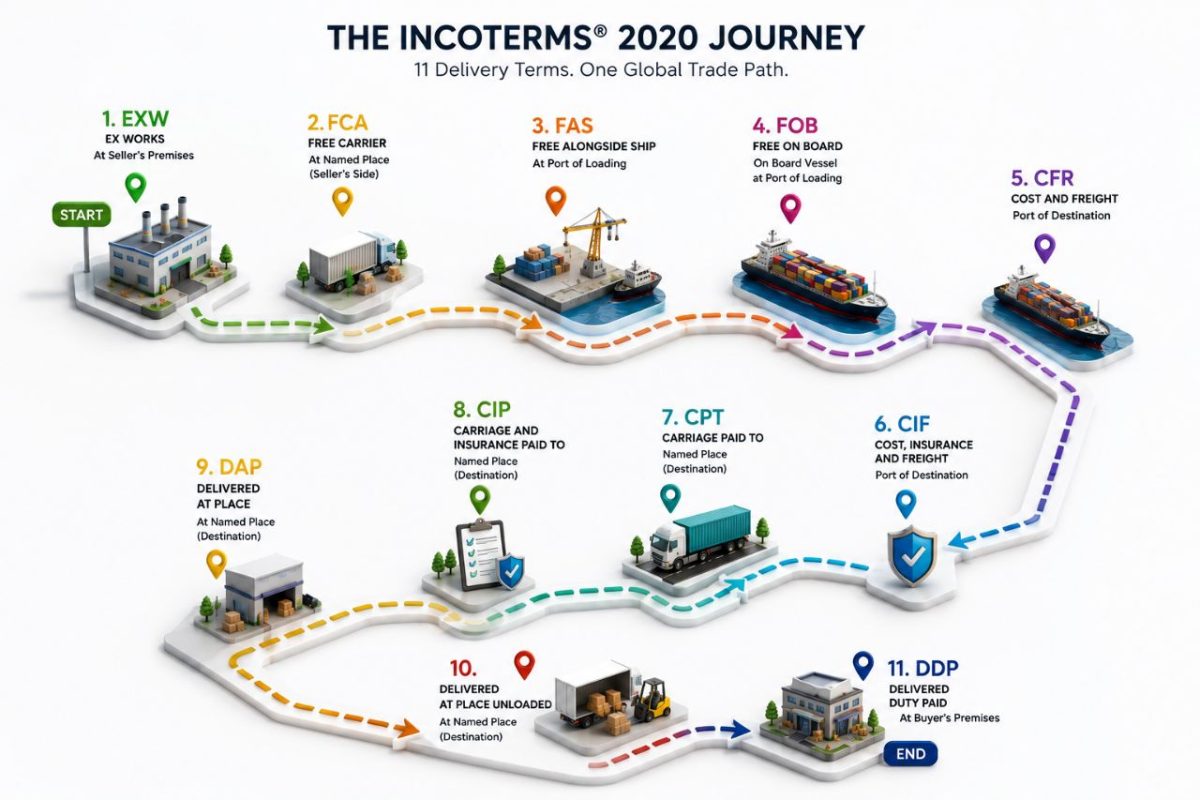
The contract should also define the delivery term under the applicable Incoterms rule, the named place, payment conditions, shipment schedule, and the documents required by the buyer.
Packaging and documentation should be confirmed before production or final packing begins, especially when the buyer requires a customized format.
How to Choose a Reliable Barberry Supplier
Finding a suitable supplier requires more than comparing prices. Importers should evaluate the supplier’s ability to deliver the agreed product specification and maintain consistent communication throughout the transaction.
Use this checklist when assessing potential suppliers:
- Request a detailed specification. Confirm product type, origin, moisture, appearance, cleaning requirements, and agreed tolerances.
- Ask for representative samples. Evaluate the actual product before committing to a large order.
- Review available documents. Request relevant test reports, traceability details, and certificates where applicable.
- Confirm supply capacity. Establish the available quantity, lead time, and ability to fulfill repeat orders.
- Agree on packaging. Confirm pack weight, materials, labeling, and any customization.
- Calculate the landed cost. Consider product price, freight, insurance, duties, handling, and other applicable costs.
- Put the agreement in writing. Record specifications, payment terms, delivery responsibilities, inspection procedures, and remedies for non-conformity.
For additional information about food-trade requirements and market access, consult the “International Trade Centre” and the relevant official authorities in the destination country.
Frequently Asked Questions
What are Iranian barberries called?
Iranian barberries are commonly known as zereshk. The term often refers to the seedless barberry cultivated in Iran, especially in South Khorasan Province.
What are dried barberries used for?
Dried barberries are used in traditional rice dishes, sauces, jams, beverages, fruit preparations, and selected food-manufacturing applications. Their suitability depends on the formulation and the product specification.
Is Iran a major producer of seedless barberries?
Yes. Research identifies Iran as the principal source of cultivated seedless barberries, with South Khorasan as the country’s main production region. Exact estimates of the region’s share vary across studies and years.
What should importers check before buying barberries in bulk?
Importers should check appearance, color, moisture, foreign matter, microbiological quality, relevant contaminants, packaging, traceability, available test reports, and compliance with the destination market’s requirements.
Can Iranian barberries be supplied in customized packaging?
Customized packaging may be available depending on the supplier, order volume, packaging materials, and destination requirements. Buyers should confirm the options and specifications before placing an order.
Are Iranian barberries suitable for every international market?
Not automatically. Buyers must verify import eligibility, applicable food-safety rules, labeling, customs requirements, and any restrictions affecting the product’s origin or transaction. Market suitability also depends on customer demand and competitive pricing.
Conclusion: Explore the Potential of Iranian Barberries
Iranian barberries offer a distinctive combination of tangy flavor, natural red color, culinary heritage, and potential food-manufacturing applications. For importers, wholesalers, and food producers, they may provide an opportunity to develop differentiated products and expand their ingredient portfolios.
Successful sourcing depends on matching the product to the intended application, verifying quality and food safety, choosing appropriate packaging, and establishing clear commercial terms with a reliable supplier.
At HGHtrade, we believe that successful international trade starts with clear specifications, transparent communication, and a practical understanding of each buyer’s needs.
Interested in sourcing Iranian barberries for wholesale or food manufacturing? Visit “HGHtrade” to learn more about our products and discuss potential business cooperation.