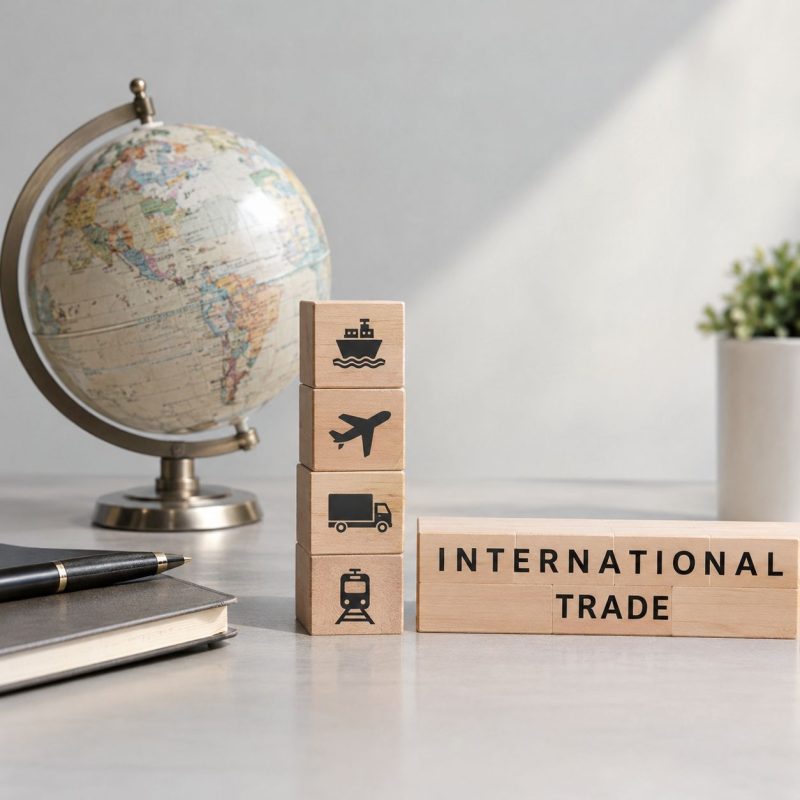



Способы международной доставки: 7 лучших вариантов для глобальной торговли

Способы международной транспортировки играют важнейшую роль в успехе импортно-экспортного бизнеса. Правильный выбор способа перевозки позволяет компаниям сократить логистические издержки, сохранить качество продукции, повысить надежность поставок и оставаться конкурентоспособными на международных рынках.
Независимо от того, экспортируете ли вы иранские фисташки, финики, изюм, сушеный инжир или другие продукты питания, важно понимать различия между морскими, авиационными, автомобильными, железнодорожными и мультимодальными перевозками. Оптимальный вариант зависит от объема партии, пункта назначения, сроков доставки, характеристик груза и общего логистического бюджета.
В этом руководстве мы рассказываем о семи способах международной перевозки грузов, сравниваем их преимущества и недостатки, а также объясняем импортерам и экспортерам, как подобрать наиболее подходящий вариант транспортировки.
Оглавление
- Какие существуют способы международной доставки?
- Семь основных способов международных перевозок
- Сравнение способов доставки
- Как выбрать оптимальный способ доставки
- Международная доставка сухофруктов и орехов
- Семь способов сократить расходы на международную доставку
- Распространённые ошибки при отправке грузов, которых следует избегать
- Часто задаваемые вопросы
- Заключение
- Какие существуют способы международной доставки?
Способы международной перевозки — это логистические решения, используемые для перемещения товаров между странами. В зависимости от характера отправления груз может транспортироваться морским, воздушным, автомобильным или железнодорожным транспортом, либо с применением комбинации различных видов транспорта.
Для участников международной торговли транспортировка — это нечто большее, чем просто перемещение товаров из одного места в другое. Она влияет на итоговую стоимость товара (с учетом всех расходов по доставке), график поставок, планирование запасов, сохранность продукции и удовлетворенность клиентов.
Например, компании, экспортирующей несколько тонн фисташек, могут быть выгодны морские перевозки — благодаря их большой вместимости и экономичности. В то же время покупатель, импортирующий небольшую партию дорогостоящего шафрана, вероятно, предпочтет авиаперевозку, чтобы получить товар быстрее.
Понимание способов международной доставки позволяет компаниям выбрать решение, обеспечивающее баланс между стоимостью, скоростью, надежностью и сохранностью товара.
- Семь основных способов международных перевозок
- Морские перевозки: оптимальный вариант для крупных партий груза
Морские перевозки широко используются в международной торговле при транспортировке больших объемов товаров. Грузы перевозятся на контейнеровозах или других судах между морскими портами.
Это особенно подходит для экспорта массовых грузов, промышленных материалов, сельскохозяйственной продукции и упакованных пищевых продуктов.
Преимущества:
- Экономичный вариант для многих крупнообъемных перевозок.
- Подходит для полных контейнеров и сборных грузов.
- Предлагает широкий выбор типов контейнеров.
- Способствует международной торговле на большие расстояния.
Недостатки:
- Как правило, медленнее, чем авиаперевозки.
- Зависит от загруженности портов, расписания движения судов и возможных нарушений маршрута.
- Может предусматривать дополнительные расходы, связанные с портовыми операциями, погрузочно-разгрузочными работами, хранением и оформлением документации.
Двумя распространенными вариантами морских грузоперевозок являются полная загрузка контейнера (FCL) и частичная загрузка контейнера (LCL).
FCL означает, что груз занимает целый контейнер в рамках согласованного бронирования, тогда как LCL позволяет размещать в одном контейнере небольшие партии товаров от разных клиентов.
Для экспортеров фисташек, изюма, фиников и сушеного инжира морские перевозки могут стать привлекательным вариантом — при условии, что объем партии, пункт назначения и график доставки делают такой способ экономически целесообразным.
Однако экспортерам следует рассчитывать полную стоимость, а не ограничиваться лишь сравнением ставок морского фрахта.
- Авиаперевозки: оптимальный вариант для срочных и дорогостоящих грузов
Авиаперевозки — это транспортировка грузов воздушными судами. Как правило, этот способ выбирают тогда, когда скорость важнее стоимости перевозки.
Типичные варианты применения включают срочную пересылку коммерческих образцов, ценных ингредиентов, заказов, критически важных по срокам исполнения, а также относительно небольших партий груза.
Преимущества:
- Обычно быстрее, чем морские перевозки.
- Полезно для срочных заказов и образцов продукции.
- Позволяет сократить время нахождения товаров в пути.
- Подходит для многих дорогостоящих товаров, выпускаемых в небольших объемах.
Недостатки:
- Зачастую дороже в пересчёте на килограмм.
- Габариты и вес груза влияют на стоимость.
- Некоторые товары требуют особого обращения или подпадают под ограничения.
- Наземное обслуживание в аэропорту и таможенные процедуры по-прежнему могут приводить к задержкам.
Стоимость авиаперевозки может рассчитываться исходя из фактического веса брутто или объемного веса — в зависимости от правил ценообразования перевозчика. Компаниям следует запрашивать расчет стоимости, указывая точные габариты и вес грузовых мест.
Например, авиаперевозка может быть целесообразна в том случае, если импортеру требуется небольшой образец фисташек для оценки качества перед оформлением более крупного заказа. При этом для транспортировки полноценного коммерческого контейнера с сухофруктами такой способ может оказаться менее экономичным.
- Автомобильные грузоперевозки: лучший вариант для региональной торговли.
Автомобильные грузоперевозки — это транспортировка товаров грузовиками между странами, а также между пунктами внутри страны и морскими портами, аэропортами или железнодорожными терминалами.
Это может быть особенно полезно для региональной торговли, когда страны связаны удобными сухопутными маршрутами.
Преимущества:
- Гибкие пункты получения и доставки.
- Подходит для палетированных грузов и полных грузовых отправок.
- Возможна перевозка «от двери до двери».
- Полезно для трансграничной торговли, а также для доставки на «первой» или «последней» миле.
Недостатки:
- Пограничные проверки и таможенные процедуры могут привести к задержкам поставок.
- Цены на топливо, плата за проезд и наличие водителей влияют на расходы.
- Сроки транспортировки зависят от дорожных условий и процедур на границе.
- Вместимость транспортного средства и допустимые габариты груза накладывают ограничения.
Автомобильные грузоперевозки могут быть полезны для транспортировки сельскохозяйственной продукции из районов производства в порты или распределительные центры. Кроме того, это может стать удобным вариантом для международных перевозок, если до пункта назначения можно эффективно добраться наземным транспортом.
Перед выбором автомобильного маршрута трейдерам следует проверить возможность пересечения границы, наличие разрешений на транзит, таможенные требования, страховое покрытие, а также способность перевозчика транспортировать конкретный груз.
- Железнодорожные грузоперевозки: вариант для подходящих наземных маршрутов
Железнодорожные грузоперевозки осуществляются поездами и особенно актуальны на сложившихся международных железнодорожных коридорах.
В зависимости от маршрута и вида услуг, железнодорожный транспорт может обеспечить баланс между временем в пути, провозной способностью и стоимостью.
Преимущества:
- Подходит для многих крупных или тяжелых грузов.
- Может обеспечить более предсказуемое расписание на сложившихся маршрутах.
- Может стать экономически выгодной альтернативой авиаперевозкам.
- Может быть интегрировано с автомобильными и морскими перевозками.
Недостатки:
- Доступно не на всех торговых маршрутах....
- Требуются надлежащее железнодорожное сообщение и терминальная обработка.
- Таможенные процедуры и перевалка грузов могут повлиять на сроки доставки.
- Для осуществления окончательной доставки может потребоваться дополнительная перевозка автомобильным транспортом.
Железнодорожные грузоперевозки стоит рассмотреть в том случае, если пункты отправления и назначения связаны подходящими маршрутами, а весь путь в целом является конкурентоспособным.
Для экспортеров и импортеров сравнение не сводится лишь к выбору между железнодорожным и морским транспортом. Важно учитывать совокупные затраты на доставку «от двери до двери», ожидаемое время в пути, требования к грузообработке, а также надежность доступного маршрута.
- Рефрижераторные перевозки: оптимальный вариант для товаров, чувствительных к температурному режиму
При рефрижераторных перевозках используется оборудование с регулируемым температурным режимом для транспортировки грузов в заданных условиях.
В контейнерных перевозках рефрижераторные контейнеры часто называют «риферами» (reefer containers). В зависимости от оснащения и условий обслуживания, они способны поддерживать заданный температурный режим на протяжении всего пути следования.
This method is relevant to fresh fruit, frozen food, and other products that require specific temperature conditions.
Преимущества:
- Helps maintain required cargo temperatures.
- Suitable for products with defined cold-chain requirements.
- Can support long-distance transportation when the route and equipment are appropriate.
Недостатки:
- Usually involves additional equipment and operating costs.
- Requires correct temperature settings and monitoring.
- Equipment failure or poor handling can damage cargo.
- Not every product requires refrigerated transportation.
An important distinction is that not all dried fruits and nuts need refrigerated shipping. The appropriate conditions depend on moisture content, packaging, product specifications, expected transit conditions, and the buyer’s requirements.
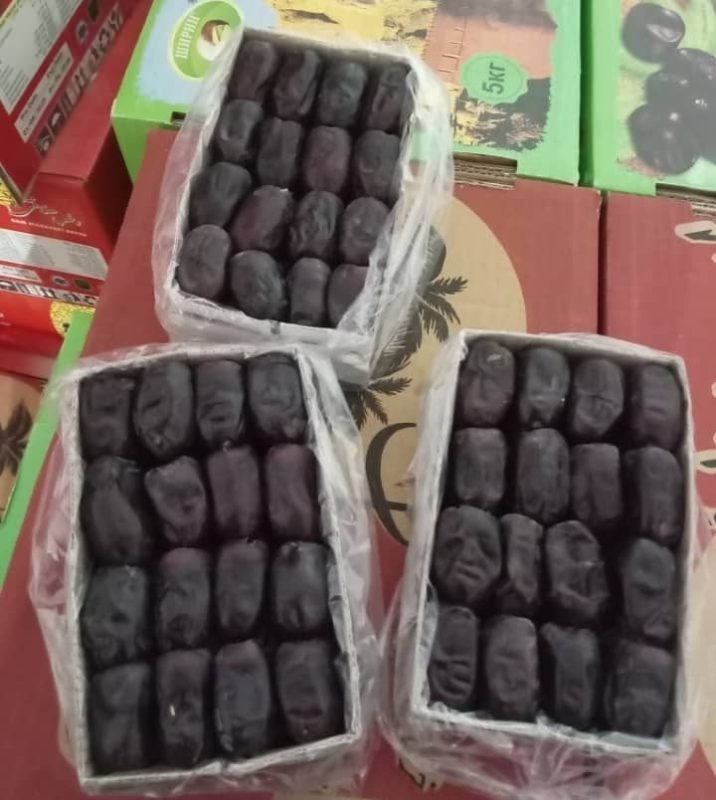
For dried figs, raisins, pistachios, and dates, exporters should assess the product’s storage requirements before booking a reefer container. Unnecessary refrigeration can increase costs without providing a corresponding benefit.
- Courier and Express Shipping: Best for Samples and Small Parcels
International courier services are designed for documents, samples, and smaller parcels that require convenient collection, tracking, and delivery.
These services may be useful during the early stages of an export transaction, when a buyer wants to evaluate product quality before committing to a large order.
Преимущества:
- Convenient door-to-door service.
- Shipment tracking is generally available.
- Suitable for small samples and documents.
- Often provides faster delivery than standard postal services.
Недостатки:
- Can be expensive for heavier shipments.
- Service availability varies by country and destination.
- Customs documentation may still be required.
- Some products or destinations face restrictions.
Before sending food samples internationally, confirm that the carrier accepts the product and that the destination country permits its import. Food safety rules, customs requirements, and any applicable import permits should be checked in advance.
- Multimodal Transportation: Combining Different Methods
Multimodal transportation combines two or more transportation modes within a single logistics solution. For example, cargo may travel by truck to a rail terminal, continue by train, and then move by road to the final destination.
This approach can be useful when a single transport mode cannot provide the best combination of cost, speed, and geographic coverage.
Преимущества:
- Provides access to more route options.
- Can balance transportation cost and delivery time.
- Connects inland suppliers with international ports and markets.
- Can improve route flexibility.
Недостатки:
- Requires coordination between different transport stages.
- Transfers between modes can create delays.
- Documentation and responsibility arrangements must be clear.
- Total transit time depends on every part of the route.
Multimodal solutions are particularly worth evaluating for international shipments involving inland origins, multiple borders, or destinations far from major seaports.
Businesses should obtain a complete route proposal and clarify who is responsible for each transport stage, customs procedure, cargo transfer, and delivery milestone.
- Comparison of International Shipping Methods
The following table provides a practical overview. Actual costs and transit times vary according to the origin, destination, shipment size, season, carrier, and route.
Shipping method| Relative cost| Typical speed| Best use
Sea freight| Low for many large shipments| Slow| Containers and large orders
Air freight| High| Fast| Urgent or high-value cargo
Road freight| Route-dependent| Route-dependent| Regional and door-to-door transport
Rail freight| Route-dependent| Moderate on suitable corridors| Connected land routes
Refrigerated shipping| Higher than comparable standard equipment| Depends on the main transport mode| Temperature-sensitive cargo
Courier and express| High per unit for many commercial shipments| Fast for eligible parcels| Samples and small packages
Multimodal transport| Depends on the combination| Depends on the route| Complex or inland-to-international routes
This comparison is a starting point, not a substitute for a freight quotation. A reliable decision requires a route-specific assessment.
- Как выбрать оптимальный способ доставки
Selecting the right transportation solution requires more than finding the lowest freight rate.
Consider the Total Landed Cost Calculate the total cost of delivering the goods, including transportation, handling, customs clearance, insurance where appropriate, storage, documentation, and destination charges.
A low ocean freight quotation may become less attractive if destination handling charges or delays are substantial.
Evaluate the Delivery Deadline
Confirm when the goods must arrive and allow sufficient time for export clearance, transit, border procedures, and import clearance.
Never promise a delivery date without confirming the route and service with the logistics provider.
Check Cargo Characteristics
Consider the cargo’s weight, dimensions, value, packaging, fragility, and any temperature or humidity requirements.
For food products, also evaluate product shelf life and the storage conditions required to preserve quality.
Compare Available Routes
Ask freight forwarders to provide alternatives where possible. Compare the complete route, estimated transit time, departure frequency, transfer points, and potential border or port delays.
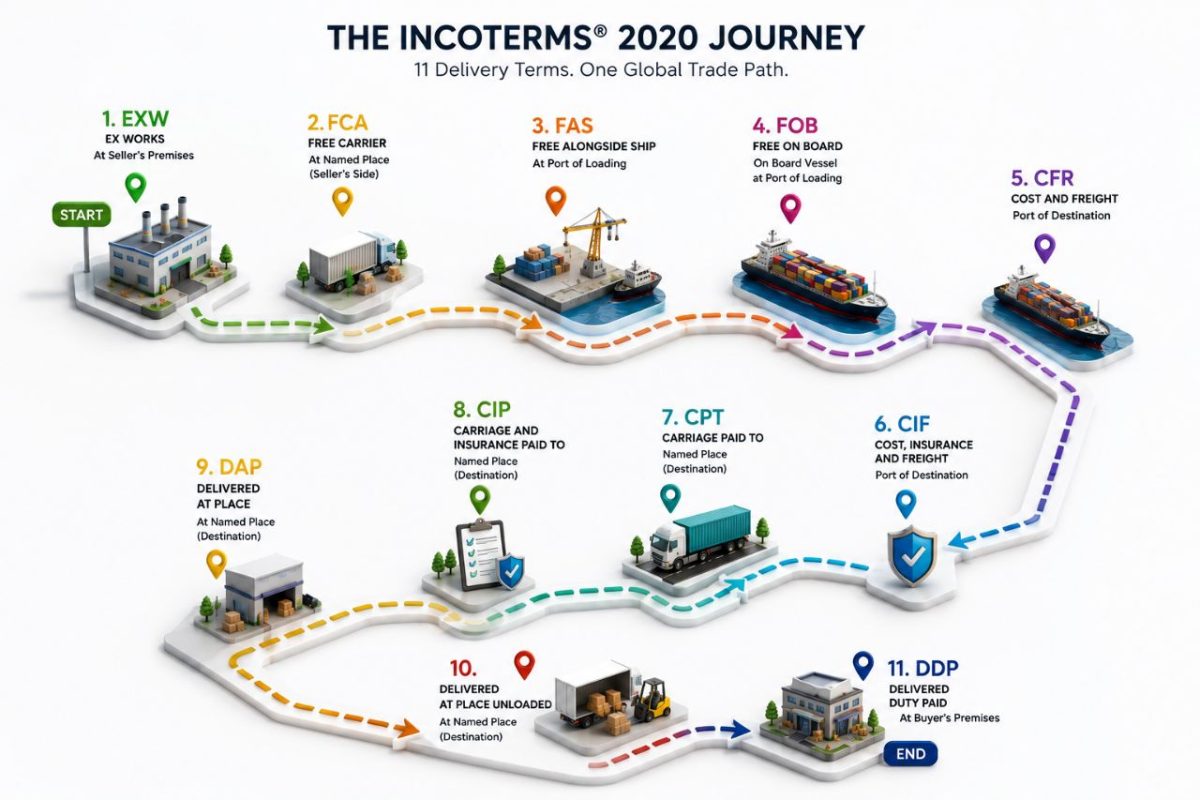
Clarify Responsibilities Under Incoterms
The agreed Incoterms® rule affects how transportation costs, delivery obligations, and certain risks are divided between seller and buyer.
The International Chamber of Commerce explains the official rules in its “Incoterms® 2020 resources” (https://iccwbo.org/business-solutions/incoterms-rules/).
For example, FOB, CFR, and CIF are intended for sea and inland waterway transport. For containerized or multimodal shipments, FCA, CPT, or CIP may be more appropriate, depending on the transaction.
The parties should identify the exact named place or port and the applicable Incoterms® edition in their sales contract.
- Международная доставка сухофруктов и орехов
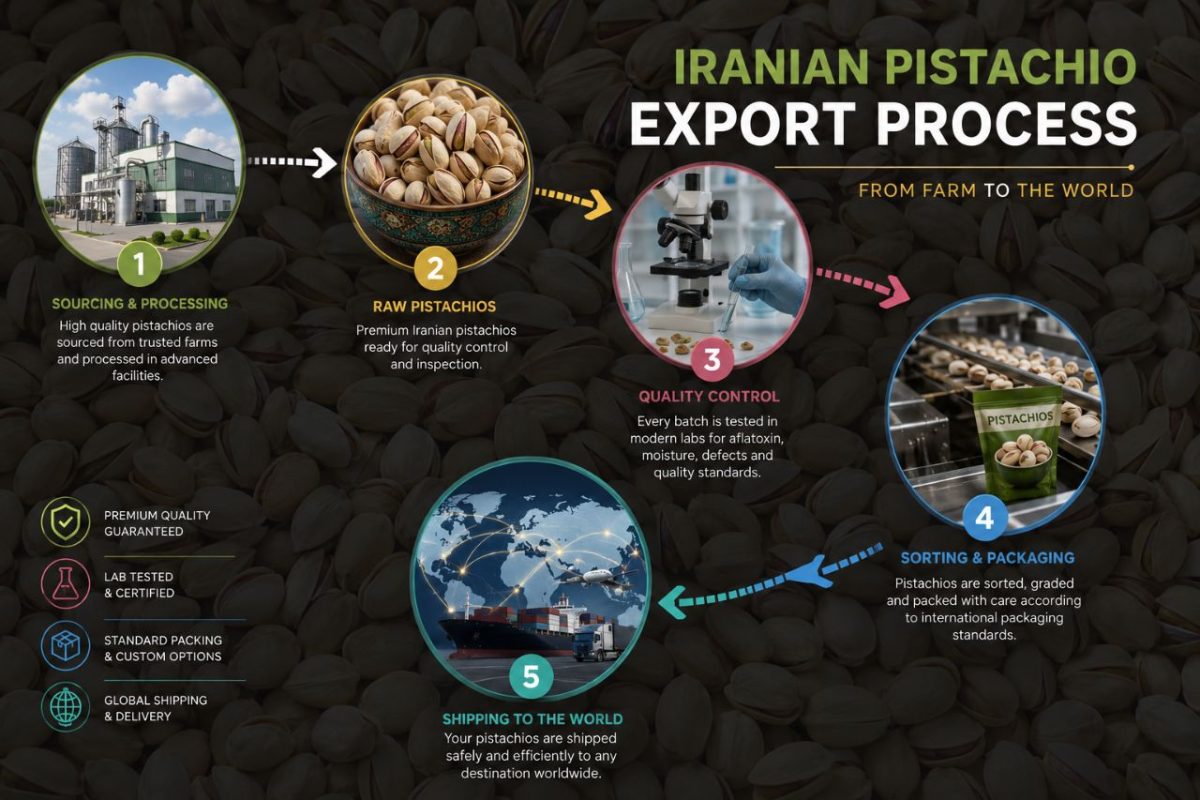
Dried fruits and nuts require careful planning because product quality, packaging, and destination regulations can affect the success of an export shipment.
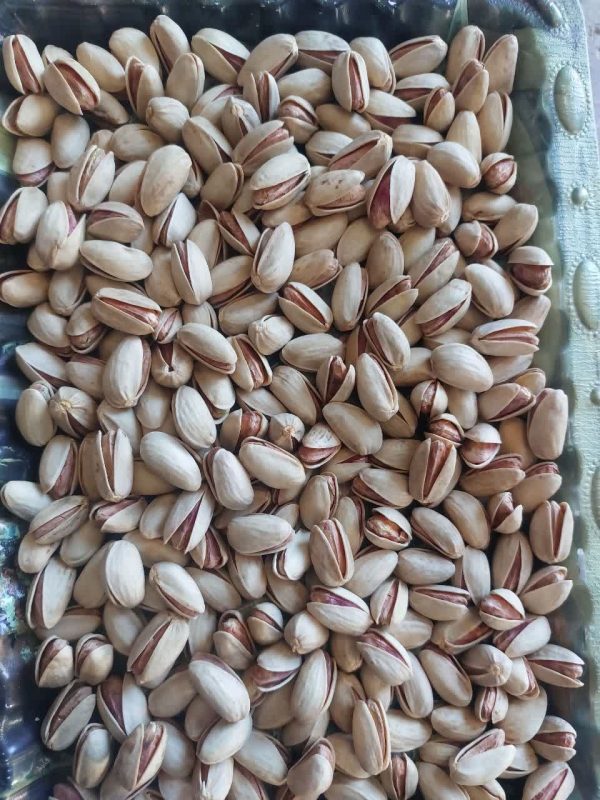
For products such as Iranian pistachios, raisins, dates, figs, and barberries, exporters should pay particular attention to the following factors.
Packaging: Use packaging suitable for the product, expected transit conditions, and buyer specifications. Moisture barriers and protective packaging may be important for maintaining quality.
Quality documentation: Confirm which product specifications, laboratory analyses, certificates, and customs documents are required by the buyer and destination country. Requirements vary by product and market.
Storage conditions: Protect cargo from excessive moisture, heat, contamination, and unsuitable storage conditions. Select temperature-controlled transport only when justified by the product requirements.
Transit time: Include the time needed for loading, customs clearance, transfers, and delivery. A shipment’s planned sailing or departure date is not the same as its final delivery date.
Insurance and risk: Evaluate appropriate cargo insurance and clarify the responsibilities of the seller, buyer, carrier, and other parties.
Import regulations: Verify food safety requirements, labeling rules, permitted ingredients or treatments, and applicable import controls before shipping.
At HGH Trade, we focus on Iranian dried fruits, nuts, and related food products for international wholesale markets. Buyers can explore our business and product information through the “HGH Trade website”
Book in advance. Early planning may provide access to more service options and reduce the need for expensive urgent transport.
Семь способов сократить расходы на международную доставку
Compare complete quotations. Request a breakdown of origin charges, freight, handling, destination charges, and other applicable fees.
Optimize packaging. Efficient packaging can reduce wasted space and help avoid unnecessary dimensional charges.
Consolidate shipments. Where practical, combining smaller orders may improve transport efficiency, although consolidation and handling fees must be considered.
4. Book in advance. Early planning may provide access to more service options and reduce the need for expensive urgent transport.
- Choose the correct container. Match container size and type to the cargo volume, weight, and handling requirements.
- Prepare documentation accurately. Incorrect information can cause customs delays, storage charges, and additional administrative costs.
- Evaluate alternative routes. Compare sea, road, rail, and multimodal options when available rather than assuming that one method is always cheapest.
Cost reduction should never come at the expense of cargo safety, regulatory compliance, or contractual delivery commitments.
- Common International Shipping Mistakes to Avoid
Even experienced traders can face avoidable logistics problems.
- Choosing a transport mode based only on the advertised freight rate.
- Underestimating destination charges, customs costs, or storage fees.
- Using packaging that is unsuitable for the product or route.
- Failing to verify import restrictions before dispatch.
- Assuming that all Incoterms® rules transfer risk at the same point.
- Promising a delivery date without confirming the logistics schedule.
- Failing to clarify who arranges cargo insurance and customs clearance.
- Providing incomplete or inconsistent shipment documentation.
A written shipping plan, accurate quotation, clear contract, and reliable logistics partner can help reduce these risks.
- Часто задаваемые вопросы
What is the cheapest international shipping method?
Sea freight is often economical for large shipments, but the cheapest option depends on the route, volume, weight, handling requirements, and total landed cost.
What is the fastest international shipping method?
Air freight and eligible express courier services are generally among the fastest options. Actual delivery time depends on availability, customs clearance, and the destination.
Is sea freight suitable for dried fruits and nuts?
Yes. Sea freight is commonly worth considering for commercial quantities of dried fruits and nuts, provided that packaging, storage conditions, transit duration, and destination requirements are suitable.
How do I choose between FCL and LCL shipping?
FCL uses an entire container for a shipment under the agreed booking, while LCL consolidates cargo from multiple shippers. Compare the total price, cargo volume, handling requirements, transit time, and risk of additional handling.
Which documents are needed for international shipping?
Common documents include a commercial invoice, packing list, and the relevant transport document. Depending on the product and destination, a certificate of origin, food safety documents, laboratory analysis, permits, or other certificates may also be required.
Can I combine road, rail, and sea freight?
Yes. Multimodal transportation can combine several transport modes. The best solution depends on route availability, costs, transit time, cargo handling, and the responsibilities agreed by the parties.
- Заключение
Choosing the right international shipping methods is an important part of building a profitable and reliable import or export business.
Sea freight can be attractive for large orders, air freight for urgent cargo, road freight for suitable regional routes, rail freight for connected land corridors, and courier services for samples. Refrigerated and multimodal solutions are useful when cargo requirements or route conditions justify them.
Before booking, compare total landed costs, delivery schedules, packaging requirements, customs procedures, and contractual responsibilities. For exporters of dried fruits and nuts, these decisions help protect product quality and build long-term trust with international buyers.
Looking for Iranian dried fruits, nuts, or food ingredients for your wholesale business? Visit “HGH Trade” (https://hghtrade.com/) to learn more about our business and explore potential international cooperation.